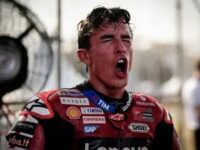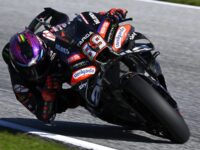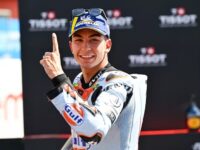
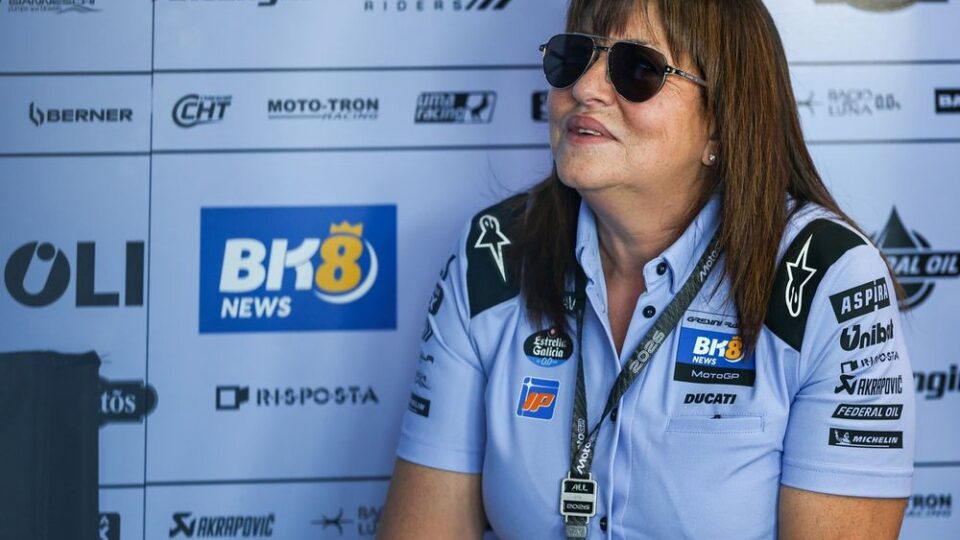
The team that Fausto Gresini built spent the best part of 2025 as one of the most exciting stories in MotoGP. Alex Marquez finished runner up in the championship. Fermin Aldeguer arrived from Moto2 as one of the most coveted young talents in the sport. The Faenza garage was buzzing.
Twelve months later, both riders are leaving. The bikes for 2027 are not yet confirmed. And for a period of weeks, one of the most storied independent outfits in the paddock came genuinely close to ending a partnership with Ducati it only started in 2022.
Here is how it happened.
The Decision That Started Everything
The flashpoint was straightforward. Ducati decided to move Fermin Aldeguer to VR46 from 2027, a decision that took Gresini management by surprise and left Nadia Padovani upset.
From Ducati’s perspective, the logic was clear enough. VR46 had inherited the factory supported status previously held by Pramac, which switched to Yamaha in 2025. The Tavullia based outfit signed a two plus three year deal, with the extension clause already activated. Valentino Rossi’s team was factory backed, had greater financial resources than Gresini, and had been chasing a rider of Aldeguer’s calibre since Luca Marini left for Honda.
Aldeguer’s contract runs directly with Ducati rather than Gresini, signed during his final Moto2 season on a two plus two year deal. He received a salary increase as part of the move, making him the first non Italian rider to join VR46.
All of this made sense on paper inside Borgo Panigale. Inside the Gresini garage, it felt like a betrayal.
The Position Gresini Found Itself In
The Aldeguer decision did not just sting emotionally. It left Nadia Padovani’s team in a genuinely precarious position heading into the most significant regulation change in MotoGP history.
With Alex Marquez set to join factory KTM and Aldeguer moving to VR46, Gresini face 2027 without confirmed riders and without confirmed bikes, since negotiations with Ducati over a satellite contract for the new 850cc era had stalled significantly.
The financial argument at the centre of the dispute was blunt. Ducati wants a revised model from 2027 in which satellite teams contribute financially towards rider contracts, rather than the current arrangement where Ducati covers the full wages of factory placed riders. VR46 is expected to take on part of Aldeguer’s salary, with similar terms being discussed with Gresini.
A senior Ducati executive described the challenge of managing relations between VR46 and Gresini as being like constantly mediating between two children who are always fighting. The gap between the two teams in terms of financial backing and factory support has been a source of tension for years. The Aldeguer move brought it to the surface.
The Honda Option
When the Brazilian Grand Prix paddock started buzzing with rumours about Gresini switching to Honda in 2027, it was not entirely without foundation.
The Race reported that Gresini could return to Honda machinery in 2027, renewing a partnership that began in 2002 and ran until 2014. Honda, for their part, were genuinely interested. HRC wanted to expand to six works spec bikes at the start of the 850cc era. Gresini would give them a second satellite team alongside LCR, accelerating development with more data from more machines on track.
Honda denied any formal talks. Ducati moved quickly. Ducati sporting director Mauro Grassilli met Padovani in the Goiania paddock alongside team manager Michele Masini for a 25 minute meeting, after which Grassilli said he expected everything to remain the same.
Davide Tardozzi was more direct. He told Sky Italia that Ducati did not want to lose Gresini and would do everything to keep the team. The language was that of a manufacturer suddenly aware it may have pushed a valued partner too far.
Why Gresini Would Have Been Taking a Risk
The Honda option was never quite as attractive as the headlines suggested. Nadia Padovani’s decision was likely to hinge on the results of summer tests for Honda’s 850cc engine. Moving to a new manufacturer at the exact moment the entire grid resets to unfamiliar machinery is a significant gamble. Ducati enter 2027 having dominated the sport for four years. Honda are rebuilding.
The Aprilia option also circulated briefly. Gresini have been linked with both Honda and Aprilia as alternatives for 2027. Staying with Ducati but without factory support would mean accepting second tier status permanently, watching VR46 receive preferential treatment across machinery specification and development priority.
The Rider Question
Beyond the manufacturer dispute, Gresini need to rebuild a competitive lineup from scratch. Several names have been linked.
Moto2 race winner Dani Holgado is at the top of the list, fitting Gresini’s established model of launching young talent into the premier class. Enea Bastianini is another option, a rider who knows the team well having won four races for them in 2022. Nicolo Bulega, currently dominating WorldSBK with Ducati, is also mentioned, with the Italian set to test the 850cc MotoGP prototype this year alongside his Superbike campaign.
Each option carries its own complications. Holgado is also being pursued by KTM. Bastianini has had a difficult time at Tech3 KTM and needs a fresh start. Bulega is a genuine talent but MotoGP would be entirely new territory.
Where It Stands
Gresini’s flirtation with leaving Ducati appears to have settled into what now looks like a contract renewal, with Ducati sources suggesting the current satellite structure of VR46 and Gresini will remain in place for 2027.
The unsigned commercial agreement between manufacturers and Liberty Media remains the context for everything. Once that deal is finalised, Gresini will have a clearer picture of exactly what funds they have available to negotiate with Ducati and sign riders.
But the episode revealed something important about the internal politics of MotoGP’s most dominant manufacturer. Ducati has so many plates spinning simultaneously, factory team, VR46, Gresini, rider contracts, new regulations, that even their own satellite partners can feel squeezed out and undervalued.
Nadia Padovani built this team back from devastating personal loss after her husband Fausto died in 2021. She has run it with intelligence, loyalty and competitive ambition ever since. The fact she was pushed close enough to walk away should be a warning to Ducati about how they manage the relationships that helped build their dominance in the first place.
The partnership looks set to continue. But it will be a different dynamic from here.