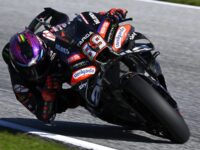
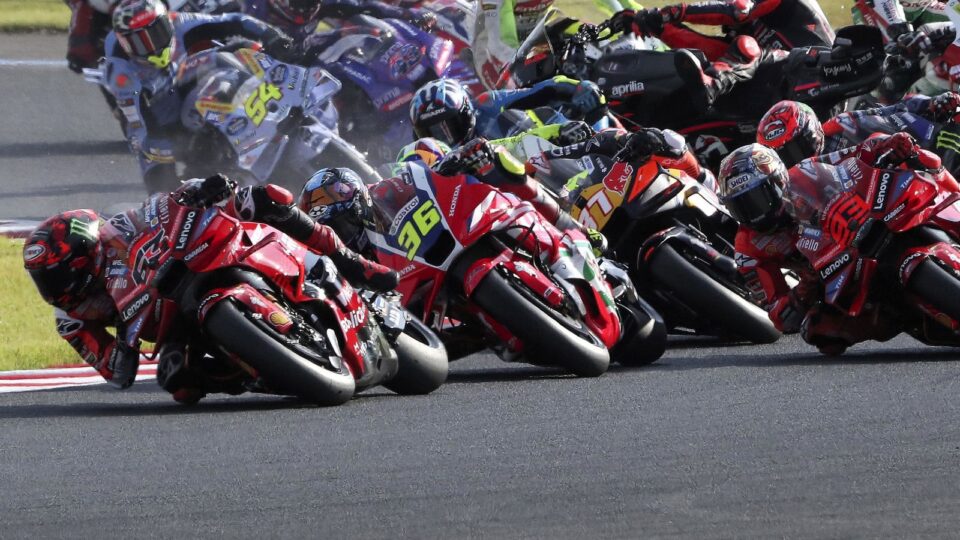

When MotoGP introduced Sprint races in 2023, Dorna sold the concept as a gift to the fans. More racing. More action. More drama every single weekend. The response from the grandstands was positive. Viewing figures improved. Social media engagement spiked. On the surface, Sprint racing looked like an unqualified success. But beneath the celebratory headlines, a more uncomfortable question has never fully gone away. Were Sprint races really added for the fans? Or were they always about the money?
The TV Deal Reality
The timing of Sprint racing’s introduction was not coincidental. Liberty Media’s growing interest in MotoGP, combined with an increasingly competitive global sports broadcasting landscape, created enormous commercial pressure on Dorna to deliver more content per race weekend. A Saturday race means more broadcast hours, more advertising slots, more subscription value for streaming partners, and ultimately more leverage in rights negotiations.
Formula One introduced Sprint races under almost identical circumstances and faced identical criticism. The pattern is unmistakable. When a global motorsport championship suddenly discovers that fans desperately need more racing on a Saturday afternoon, the commercial calendar tends to tell a more honest story than the press release.
What Riders Actually Think
The riders have never been uniformly enthusiastic. Privately, and occasionally publicly, concerns about physical fatigue, injury risk, and the psychological demands of effectively racing twice every weekend have surfaced repeatedly. A crash in Saturday’s Sprint does not just cost Sprint points. It can destroy tyres, damage machinery, and compromise a rider’s entire Sunday preparation.
For championship contenders, the Sprint creates a genuinely difficult risk calculation. The points on offer are half those of a Grand Prix. But the consequences of a mistake are full sized. Several riders have expressed frustration at being forced into aggressive racing situations on Saturday that ultimately compromised their Sunday performance and championship position.
The Fan Argument
To be fair to Dorna, the fan experience argument is not entirely hollow. Attendance figures on Saturdays have increased meaningfully since Sprint racing arrived. Casual viewers who previously had little reason to tune in on Saturday now have a genuine race to watch. The format has produced some genuinely spectacular moments that would simply not have existed under the old qualifying only Saturday structure.
And for the growing MotoGP fanbase in markets like America, Asia, and Latin America, where the sport is still building its audience, the additional content provides more entry points into the championship narrative.
The Honest Verdict
Sprint races are probably both things simultaneously. A genuine product improvement that delivers more entertainment value to fans, and a commercially motivated decision designed to maximise broadcast revenues and rights values ahead of Liberty Media’s full acquisition of the sport.
The two motivations are not mutually exclusive. Sport and commerce have always coexisted in an uncomfortable but necessary relationship. The question fans should ask is not whether money influenced the decision, because it always does, but whether the product delivered justifies the risks imposed on the riders who actually have to race it.
On balance, Sprint racing has added more than it has taken away. But the riders deserve a more honest conversation about the demands being placed on them in pursuit of someone else’s television deal.