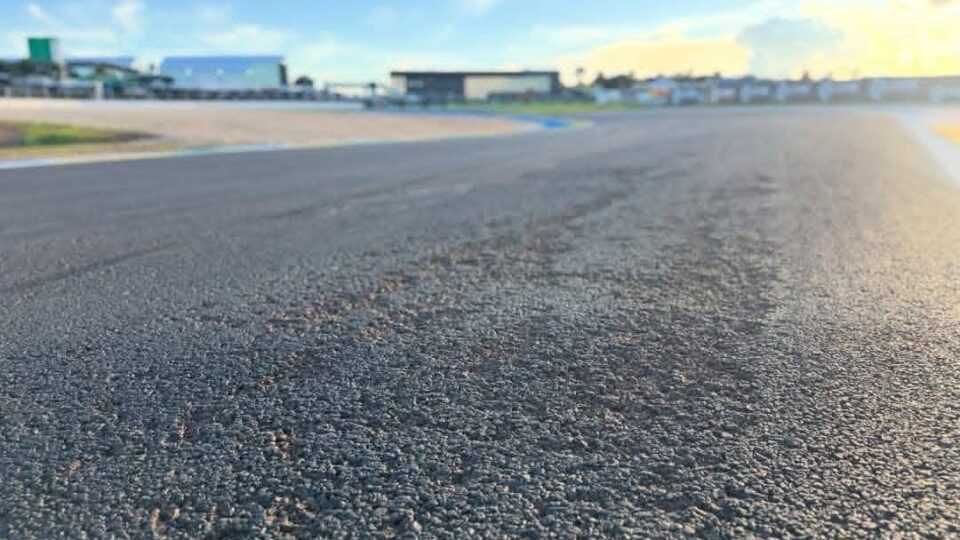
MotoGP organisers reduced the race distance of the Brazil Grand Prix shortly before the start after identifying serious track surface degradation at the Goiania circuit. The late decision came following days of heavy rain that damaged sections of the newly resurfaced track and raised safety concerns among riders and teams.
MotoGP returned to Brazil for the first time in more than two decades with high expectations from fans. Preparations faced early setbacks when flooding affected the circuit infrastructure earlier in the week. Repairs continued throughout the weekend as officials worked to ensure the event could go ahead.
Further problems emerged on Saturday when a hole appeared on the start finish straight after qualifying sessions. The discovery forced delays while emergency repairs were carried out. Despite these issues, organisers confirmed the race would proceed under revised conditions.
Just minutes before lights out, riders were informed that the original race distance would be reduced to limit tyre stress and minimise risks linked to the degrading surface. During the race, several competitors reported inconsistent grip levels and loose debris being thrown up by bikes ahead.
The challenging conditions influenced race strategy and increased pressure on tyre management. Some riders ran wide after losing rear traction on worn sections of asphalt. The situation sparked debate across the paddock about circuit preparation standards for future events.
Podium finishers later defended organisers, acknowledging the scale of work required to host a modern MotoGP round after such severe weather disruption. The Brazil weekend delivered strong crowd support and intense racing despite operational difficulties.
Officials are expected to review track durability and resurfacing quality before confirming future MotoGP events at the venue. The experience highlighted how rapidly changing weather and new circuit surfaces can impact race planning at the highest level.