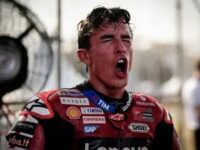
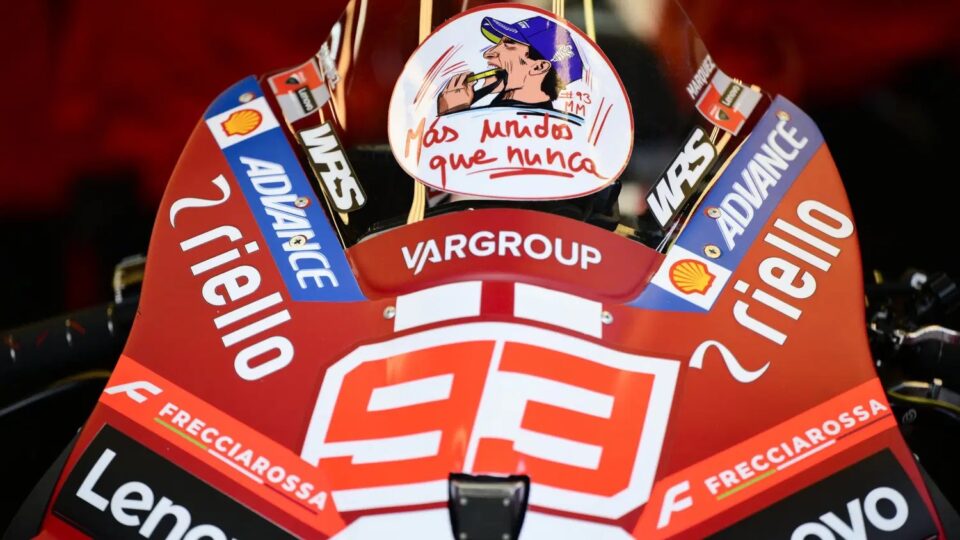
The injury to Marc Marquez at Le Mans has done more than just sideline a championship contender; it has pulled back the curtain on a brewing technical crisis at Borgo Panigale. While the Desmosedici GP26 was initially hailed as a step forward, internal data and rider feedback now suggest a machine with a narrow performance window that only one man seemed capable of navigating.
The "Outlier" Problem
Throughout the early stages of the 2026 season, Marquez was the sole Ducati rider consistently masking a critical front-end instability. His unique, aggressive style allowed him to override a handling flaw that has left peers like Pecco Bagnaia struggling for mid-corner confidence. With Marquez now recovering from foot surgery, Ducati’s engineers are essentially flying blind, losing the "human fix" for their mechanical deficit.
Aprilia’s Sunday Advantage
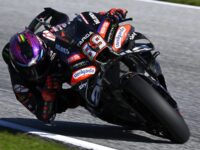
The tension is exacerbated by the sheer dominance of the Aprilia RS-GP. At Le Mans, Fabio Di Giannantonio, the top-finishing Ducati in fourth admitted the GP26 is "not enough" to stop the Noale factory's Sunday pace. While the Ducati is fast in qualifying, it lacks the tire conservation and balance required to challenge Jorge Martin and Marco Bezzecchi over a full race distance.
Development Deadlock

Ducati now finds itself in a development deadlock:
• Data Loss: Without Marquez’s input, engineers lack the "limit-case" data needed to understand how to stabilize the front end under extreme load.
• Rider Confidence: Other factory riders are increasingly vocal about the bike's limitations, creating a high-pressure environment for the technical team.
• Championship Slide: With Jorge Martin securing a double victory at Le Mans, Ducati's grip on the title is slipping just as they lose their most effective development tool.
As the paddock moves toward Barcelona, the question is no longer just when Marquez will return, but whether Ducati can fix a bike that in the hands of anyone else, currently looks second-best to Aprilia.