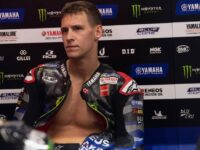
Yamaha’s difficult start to the 2026 MotoGP season created tension inside the garage at the Thailand Grand Prix, where concerns reportedly grew about how Fabio Quartararo might react publicly after the race. The French rider endured a frustrating weekend at Buriram as the team struggled for pace and consistency.
Throughout pre-season testing and the opening race weekend, Yamaha’s new V4 project failed to deliver the expected step forward. Quartararo had already expressed doubts about the bike’s potential, admitting he may have been overly optimistic about its competitiveness. He also highlighted that the team remained “very far” from its main rivals despite trying multiple set-up changes and development directions.
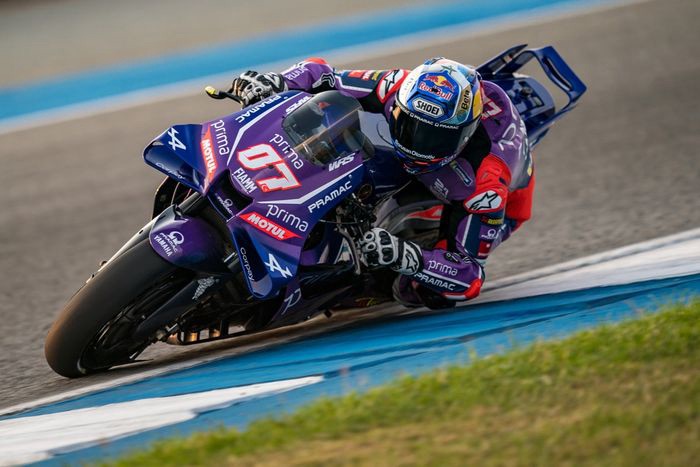
During the Thai GP, Yamaha’s lack of straight-line speed and rear grip became increasingly visible. The M1 machines regularly found themselves outside the fight for top positions, leaving riders unable to challenge the leading Aprilia, Ducati and KTM contenders. Such struggles intensified frustration within the camp, especially for Quartararo, who is known for his direct feedback and high expectations as a former world champion.
Reports suggest that after the race the atmosphere inside Yamaha’s garage was tense, with the rider visibly upset about the performance deficit. Team members were said to be concerned that immediate media interactions could lead to emotional comments that might escalate the situation publicly. Some within the squad believed a strong reaction could create unnecessary pressure during an already difficult rebuilding phase.
This situation reflects the wider challenge Yamaha faces in 2026. The manufacturer is undergoing a major technical transition with the V4 engine concept after years of using an inline-four configuration. While such changes are aimed at long-term competitiveness, early setbacks have highlighted the scale of development required. Engineers and riders continue to search for a stable base set-up that suits different riding styles and race conditions.
Quartararo’s role in this phase is crucial. As Yamaha’s lead rider and most consistent performer in recent seasons, his feedback carries significant weight in guiding development. However, balancing honest technical criticism with team morale and public messaging remains delicate, especially when results fall short of expectations.
Looking ahead, Yamaha’s priority is to close the performance gap through upgrades and continued testing. Managing rider confidence and maintaining a united front will also be important as the championship progresses. The Thai GP served as an early reminder that the rebuilding process could be longer and more complex than initially hoped.
For Quartararo, staying focused on extracting maximum performance while the team works on improvements may define his 2026 campaign. Meanwhile, Yamaha must ensure that internal frustrations do not turn into external distractions during a critical period for its MotoGP future.