MotoGP has always been an expensive business. The research, the development, the personnel, the logistics of a global championship., the costs are staggering even for the largest manufacturers on the planet. But in late 2024, the paddock was confronted with a genuinely alarming possibility. KTM, one of MotoGP’s most competitive and exciting manufacturers, was staring into a financial abyss that threatened to swallow the entire racing programme whole.
The Collapse Nobody Saw Coming
KTM’s parent company Pierer Mobility filed for insolvency in November 2024. The scale of the financial crisis was shocking. A manufacturer that had invested hundreds of millions building one of MotoGP’s most competitive programmes suddenly faced an existential threat. Riders, teams, and suppliers were left in a state of profound uncertainty. Would the bikes appear at the next test? Would the contracts be honoured? Would KTM simply disappear from the grid entirely?
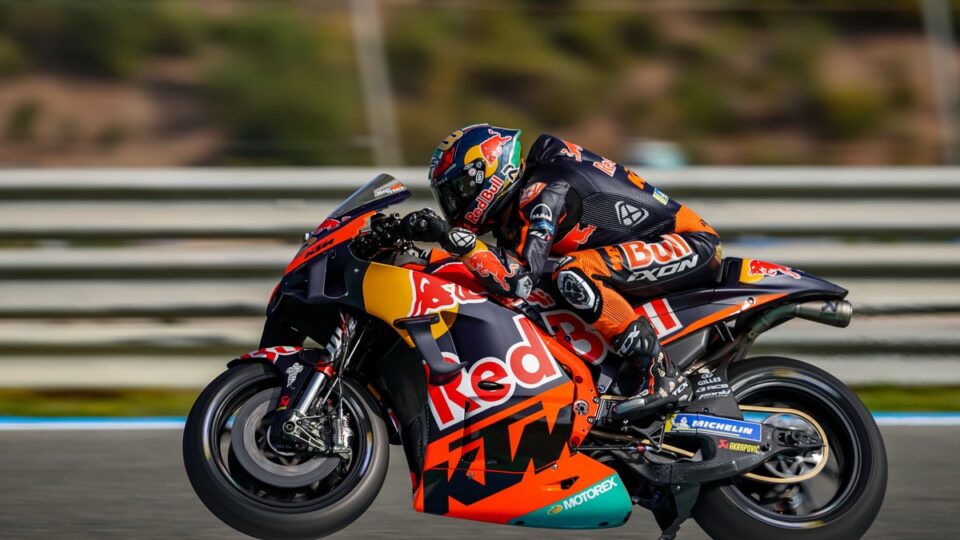
The timing could not have been worse. KTM had spent years building genuine championship contention. Pedro Acosta had arrived as the most exciting rookie talent in a generation. The RC16 was genuinely fast, dangerous, and capable of winning grands prix on its day. To lose all of that overnight would have been a devastating blow for the sport.
The Rescue and What It Meant
The immediate crisis was eventually stabilised through a combination of emergency financing and restructuring negotiations. The bikes appeared at pre season testing. The riders honoured their commitments. But the financial wounds ran deep, and the uncertainty surrounding KTM’s long term future in MotoGP lingered well into the 2025 season.
The situation exposed something important about MotoGP’s economic model. Even manufacturers operating at the highest level of the sport are not immune to broader corporate financial pressures. The costs of competing in MotoGP are enormous, and the return on investment is not always immediately quantifiable in commercial terms. When a parent company faces liquidity problems, racing programmes become vulnerable regardless of their sporting success.
Pedro Acosta and the Silver Lining
Through the turmoil, one figure provided consistent reasons for optimism. Pedro Acosta rode through KTM’s darkest period with a maturity and brilliance that belied his age. His performances demonstrated that the RC16, whatever its corporate complications, remained a genuine race winning platform in the right hands.
Acosta’s presence gave KTM something invaluable during the crisis period: a reason to keep watching, keep investing, and keep believing. A manufacturer in financial difficulty still attracting the sport’s most exciting young talent sends a powerful message to the paddock.
Lessons for MotoGP
KTM’s crisis prompted serious conversations at Dorna about the financial sustainability of MotoGP’s manufacturer model. The 2027 regulation changes, including the switch to 850cc engines, are partly designed to reduce development costs and make the championship more financially accessible for manufacturers at all levels.
The sport cannot afford to lose manufacturers. Every departure reduces the grid, reduces competition, and ultimately reduces the spectacle that attracts the fans and the commercial partners that keep MotoGP alive. KTM’s near miss was a warning shot that the entire paddock heard clearly.
Still Standing, Still Fighting
KTM survived. The RC16 is still racing. Acosta is still delivering moments of breathtaking brilliance. And MotoGP still has one of its most passionate and committed manufacturers on the grid.
But the crisis left a mark. And the lessons it taught about financial fragility in motorsport will not be forgotten quickly.
Deep Dive · 3 min read
Deep Dive

KTM’s Financial Crisis: How MotoGP Almost Lost a Manufacturer
Advertisement
Advertisement
Advertisement
More Stories